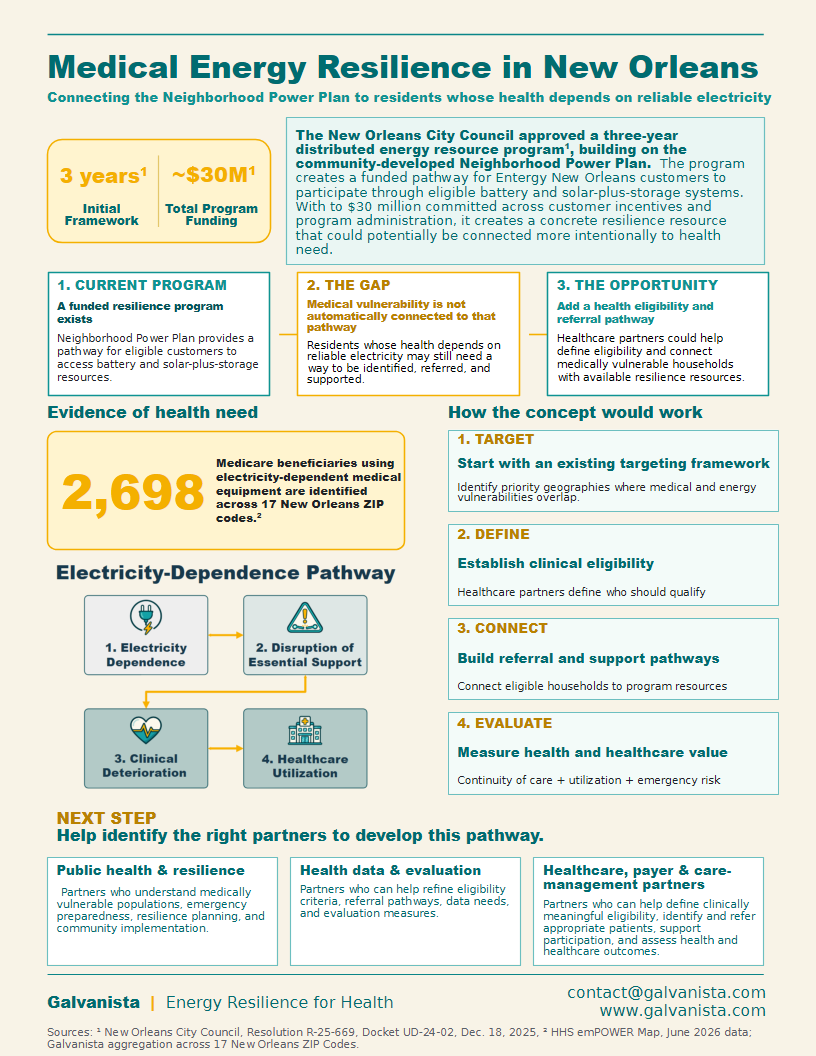
Two pathways to disrupted essential support
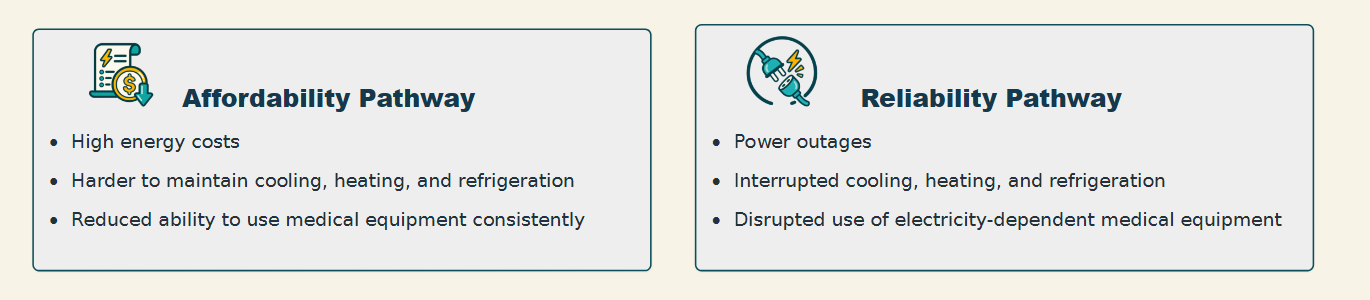

Galvanista works across the energy and health sectors to understand where energy conditions create greater health and resilience needs.

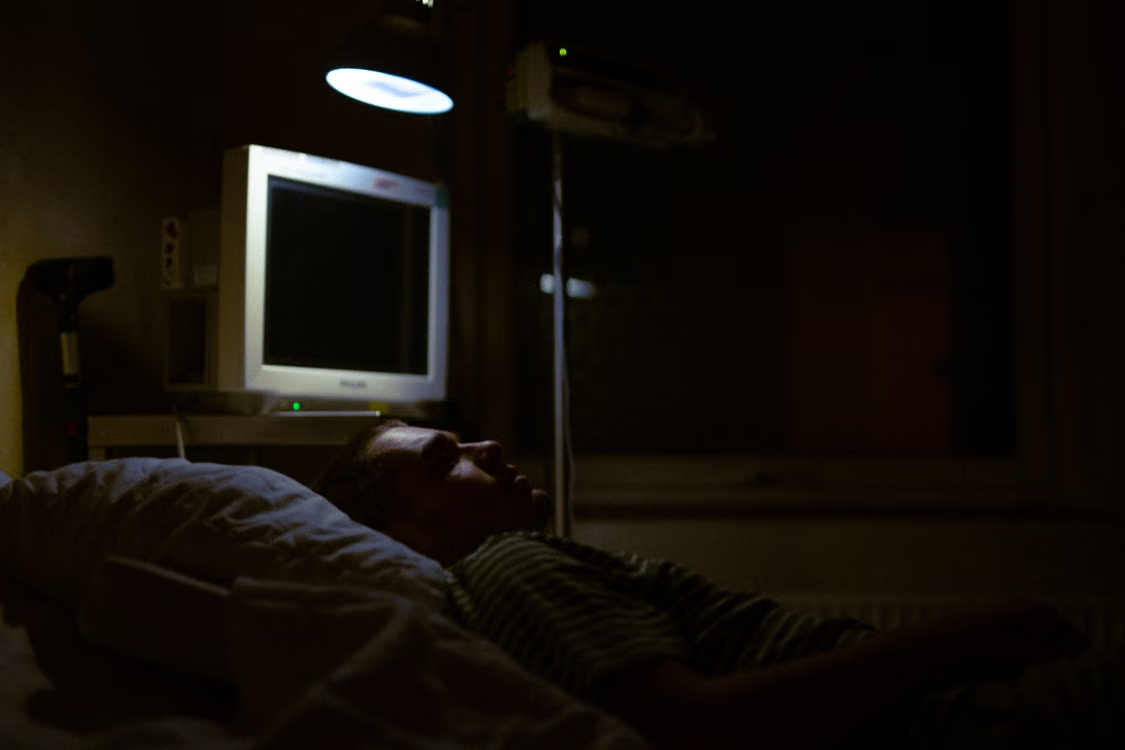
Electricity supports healthcare across rural and urban communities through powering healthcare facilities, medical equipment, medication refrigeration, climate control, and essential healthcare functions. When electricity becomes unaffordable or unreliable, those supports can be disrupted, making energy affordability and reliability important healthcare considerations that impact the greater community as a whole


EcoDex is Galvanista’s analytical framework designed to support decision-making in identifying and implementing energy-related healthcare interventions. It focuses on project development and evaluation. EcoDex can be tailored to address specific decisions, ranging from understanding current conditions and identifying priorities to assessing impacts, comparing potential interventions, and evaluating outcomes after implementation.
Discuss an EcoDex analysisWhat conditions are shaping energy-related health and resilience needs?
Where should attention or investment go first?
What impacts could a proposed project, policy, program, or large load create?
Which interventions are worth considering?
What would an intervention cost, who could benefit, and what are the tradeoffs?
What happened after implementation, and for whom?

The EcoDex framework creates a Medical Energy Resilience Profile that consolidates selected indicators related to health, energy, reliability, and healthcare spending for a specific location.
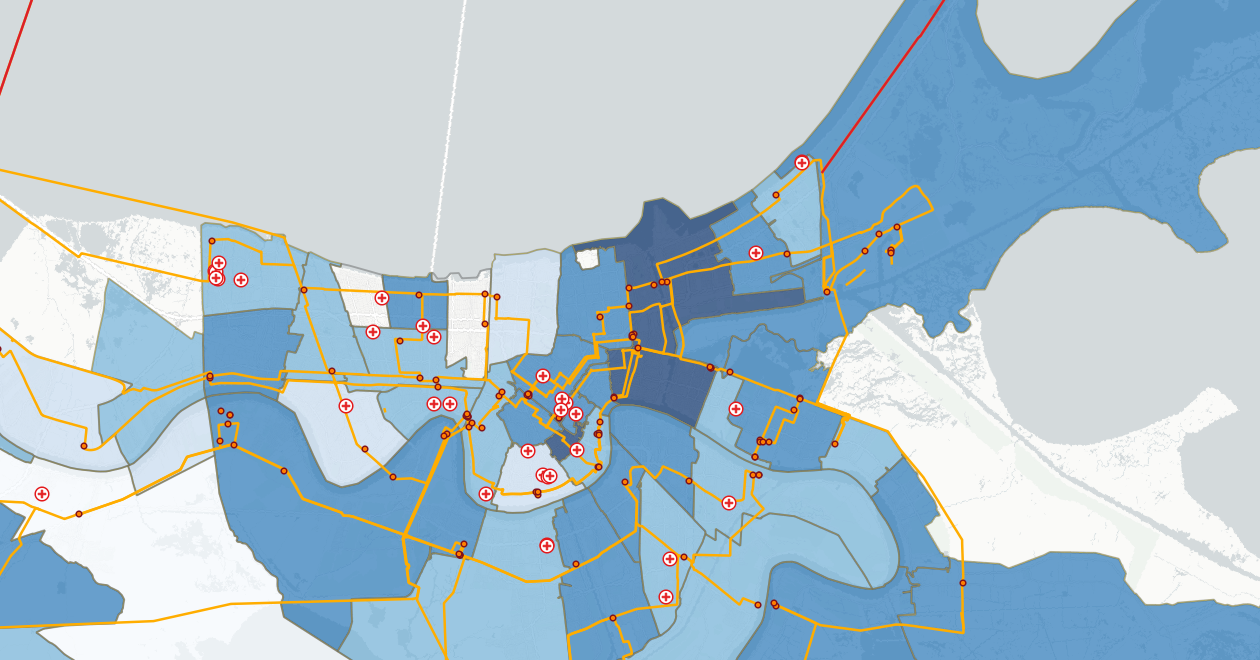
Hospitals, federally qualified health centers, other relevant facilities, populations, and service areas help establish where healthcare and medically vulnerable needs are concentrated.
Transmission lines, substations, reliability conditions, service areas, and other relevant energy-system information help establish the infrastructure and electricity conditions affecting those areas.
Current HHS emPOWER beneficiaries with qualifying electricity-dependent medical equipment or device claims.
Tracts at or above DOE's 6% high-energy-burden reference.
1 HHS emPOWER public data for Medicare beneficiaries with qualifying electricity-dependent medical equipment or device claims.
2 U.S. Department of Energy household energy-burden data. The 7,314 figure represents estimated households within 14 tracts meeting the 6% tract-level reference, not an individual household classification.
3 U.S. Energy Information Administration Form EIA-861 reliability data, 2020-2024. Values are medians of annual SAIFI and SAIDI under All Events and Without Major Event Days reporting conditions. Major Event Days are days identified under reliability reporting rules as unusually severe outage conditions. The same metrics are shown under both conditions to distinguish overall outage exposure from conditions excluding Major Event Days. SAIFI values are rounded to two decimal places.
4 EcoDex modeled healthcare spending scenario analysis. Illustrative planning estimate, not observed outage-attributable healthcare spending.
Energy-health decisions often span across institutional boundaries. Galvanista collaborates with organizations that provide data, expertise, funding, program access, implementation capacity, or evaluation support for EcoDex analyses and related initiatives.